


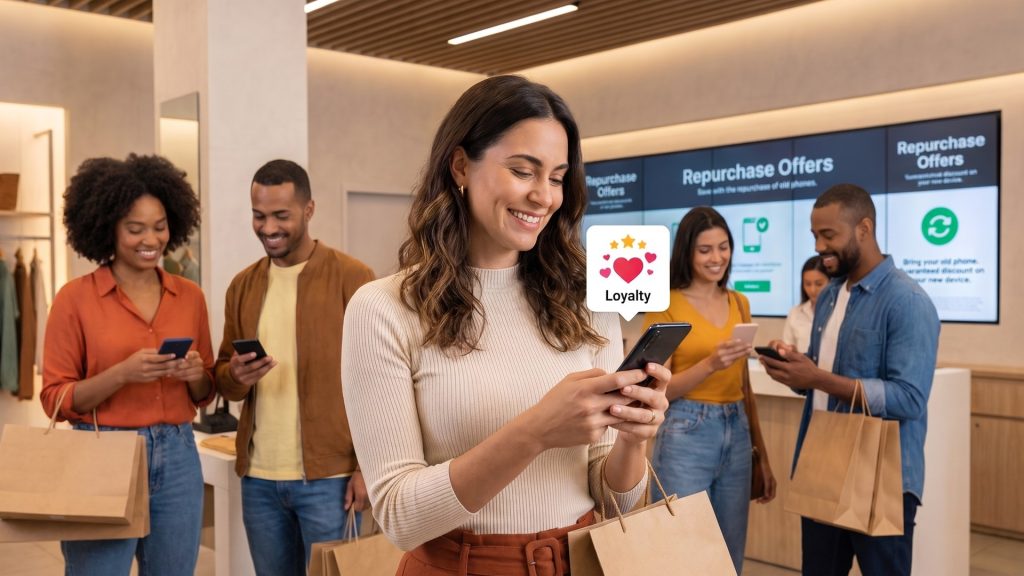
If you analyze the P&L (Income Statement) of most e-commerce businesses today, you will notice an alarming pattern: the customer acquisition cost (CAC) and marketing expense lines eat up almost all of the profit margin. Over the past five years, the cost of acquiring a new customer has skyrocketed. Ad platforms have become more expensive, organic reach has plummeted, and competition has never been fiercer.
Given this landscape, the old playbook of “buying traffic to generate sales” has become a trap. In 2026, the only viable path to sustainable profitability in e-commerce is not acquiring more customers at all costs, but maximizing the value of those who have already purchased from you. We are talking about the science of retention and repeat purchases.
This article is a practical guide for online store owners and marketing agencies that need to shift focus from predatory acquisition to cultivating profitable, lasting relationships with their existing customer base.
The Undeniable Math Behind Retention
To understand the urgency of this topic, we need to look at the numbers. Recent studies, including data from Bain & Company, demonstrate that an increase of just 5% in customer retention rates can lead to a 25% to 95% increase in profits.
The financial logic is simple and powerful. The first sale to a customer is rarely profitable once you factor in CAC, cost of goods sold, taxes, and shipping. An e-commerce brand’s real profit lies in the second, third, and fourth purchases. In these subsequent transactions, the acquisition cost is zero (or close to zero, factoring in email or WhatsApp marketing costs), and the contribution margin flows almost entirely to the bottom line.

Despite this straightforward math, many brands still suffer from “acquisition myopia,” celebrating monthly sales records while ignoring that 80% of these buyers will never return. Transitioning to a retention-focused model requires a mindset shift: moving from focusing solely on day-to-day campaign ROAS (Return on Ad Spend) to optimizing LTV (Customer Lifetime Value) over the years.
The New Paradigm: Lifecycle Marketing Automation
Modern retention is not about sending generic promotional emails with a 10% discount to your entire list every Friday. This “batch and blast” approach causes list fatigue, drives high unsubscribe rates, and erodes brand equity.
The winning strategy in 2026 is Lifecycle Automation. This means mapping the customer journey and creating automated, hyper-personalized touchpoints triggered by specific events (behavioral triggers).
The goal is to deliver the right message at the exact moment the customer is most likely to engage, using their preferred channel. In Brazil, that channel is unquestionably WhatsApp, boasting open rates above 90%, crushing the traditional 15-20% seen in email marketing.
Structuring Dynamic Segmentation
The cornerstone of any effective retention strategy is segmentation. Forget static lists. You need dynamic segments that update in real time based on user behavior.
The RFM (Recency, Frequency, Monetary Value) framework remains the gold standard for customer segmentation. Recencymeasures how recently a customer bought (a customer who bought yesterday is far more engaged than one who bought a year ago). Frequencytracks how often they purchase, identifying repeat buyers who deserve VIP treatment. And Monetary Valuereveals their total spend, helping you pinpoint high-value accounts.
By combining these three metrics, you can craft highly targeted campaigns. For example: an aggressive win-back campaign aimed exclusively at high-frequency customers who have not bought in over 120 days, or early access to a new collection reserved solely for the high monetary value segment.
4 Essential Automation Flows to Scale Repeat Purchases
Implementing a comprehensive lifecycle marketing strategy might seem complex, but you do not need to do everything at once. Start by enabling the four automated flows that deliver the greatest immediate revenue impact.

1. Welcome and Onboarding Flow (The First Impression)
The retention journey starts the moment a customer signs up or makes their first purchase. The welcome flow should not be just a transactional receipt. It is your opportunity to tell your brand story, align expectations, and lay the groundwork for the next purchase.
An effective WhatsApp sequence can include an immediate thank-you message with tracking details, followed by post-delivery product usage and care tips (reducing return rates and boosting satisfaction), culminating in a review request paired with a time-sensitive incentive for their second purchase.
2. Post-Purchase Cross-Selling and Upselling
The window right after a successful purchase is when customer trust in your brand peaks. An automated cross-selling flow analyzes what the customer bought and suggests logical add-ons.
If a customer purchased a smartphone, the system should automatically send an offer for a protective case or wireless earbuds a few days later. If they bought running shoes, performance socks are the perfect complement. Relevance is key here. Generic offers feel like spam; highly relevant recommendations feel like a helpful curation service.
3. Replenishment Reminders
For e-commerce brands selling consumables (supplements, cosmetics, pet food, cleaning supplies), this is the most profitable flow in existence.
If you know a tub of Whey Protein lasts an average of 30 days, you should not wait for the customer to remember to revisit your store on day 31. The system should be set up to send a proactive message on day 25: “Hi [Name], running low on Whey? Reorder now so you do not miss a workout! Click here to reorder in 1 click.”
This seamless convenience eliminates purchase friction and prevents competitors from stealing the sale with targeted ads right when the customer needs to restock.
4. Win-Back Flow (Reactivating Dormant Customers)
Every e-commerce brand has a pool of dormant customers — people who purchased once or twice and disappeared. Re-engaging an inactive customer is significantly cheaper than acquiring a new one.
The win-back flow triggers when a customer exceeds your store’s average repurchase window. The approach should be phased: first, a “we miss you” message highlighting new arrivals; next, a moderate incentive; and finally, an irresistible offer. If the customer does not convert after the final attempt, mark them as churned and suppress them from active lists to protect your sender reputation.
Channel Strategy: Why WhatsApp Outperforms Email
While email marketing still plays a role in e-commerce, WhatsApp has established itself as the dominant channel for retention and repeat-purchase strategies in Brazil. The reason lies in proximity and attention rates.
A replenishment campaign sent via email averages a 20% open rate and maybe a 2% click-through rate. The same message, sent systematically and compliant with WhatsApp Business API policies, reaches nearly 100% read rates and click-through rates that routinely surpass 15%.
Furthermore, WhatsApp allows automated journeys to hand off seamlessly to human support if a customer has questions before repurchasing. If a customer replies to a replenishment alert asking, “Do you have a different flavor this time?”, a live agent (or a well-trained AI) can jump in instantly, closing a deal that would have been lost in a one-way channel.
Modern Loyalty Programs: Beyond “Earn Points”
Traditional loyalty programs based on accumulating thousands of points to redeem a keychain are dead. Modern consumers demand instant gratification and tangible benefits.
The most successful retention programs in 2026 focus on experience and exclusivity, not just discounts. Consider offering your top-tier customers (identified via RFM segmentation) early access to Black Friday promotions or collection drops, VIP WhatsApp support with no queues, extended or hassle-free returns, and free express shipping with no minimum order value.
When you treat your best customers like VIPs, they become brand advocates, driving down your blended CAC through repeat purchases and organic referral marketing.
Conclusion: Focusing on Sustainability
The era of growth at all costs is over. The e-commerce brands that will thrive over the coming decades are those that understand customer relationships do not end at checkout; they are just getting started.
Investing in solid retention strategies, backed by smart automation and high-converting channels like WhatsApp, is the most reliable way to insulate your business from rising ad costs and ensure predictable profitability month after month.
Remember: your greatest asset is not the paid traffic you can buy today, but the customer base that trusts your brand and is eager to buy from you again and again.
Want to stop relying solely on new customer acquisition and unlock repeat revenue from your existing base?
ManyConvert provides the complete toolkit to build repurchase automation flows, manage outbound campaigns, and turn WhatsApp into your most profitable revenue channel. Explore our plans and discover how to increase your e-commerce LTV today. Explore Plans